Blog
Read the latest from Mail Boxes Etc.

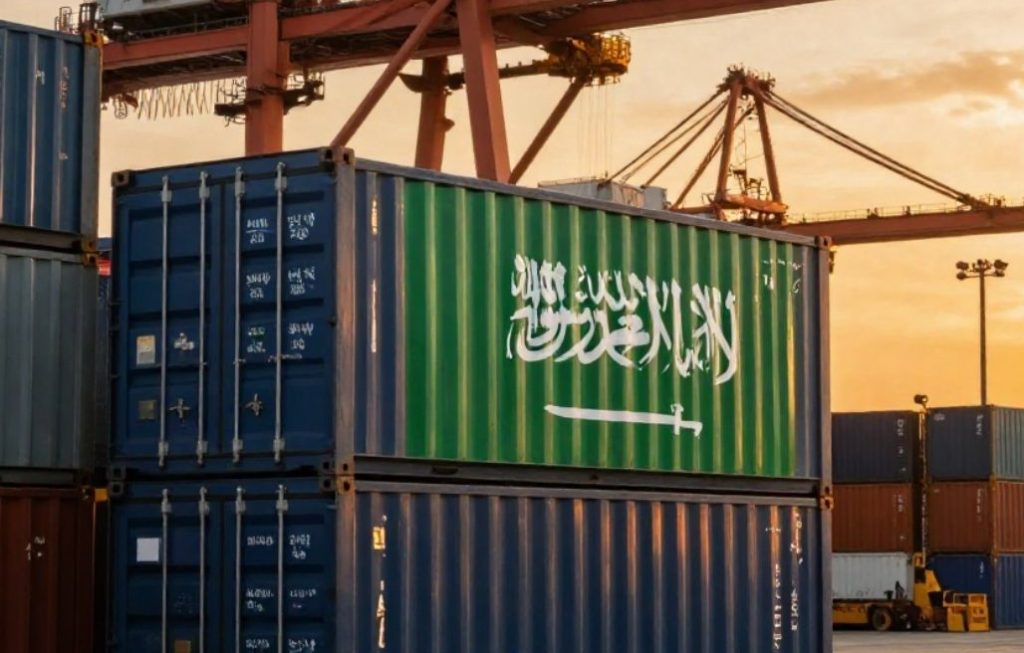
Saudi Arabia’s Golden Decade in Logistics and 2030 vision
Saudi Arabia stands at the threshold of a historic commercial shift. Positioned at the geographical crossroads of Asia, Europe, and Africa, the Kingdom is rapidly converting its strategic location into an unmatched global trade power. Over the next ten years, unprecedented government capital, landmark legislative reforms, and explosive digital retail growth will reshape every tier…

Franchising and E-Commerce Logistics in Greece
Greece’s e-commerce market has experienced extraordinary growth, with a market worth USD 37.88 billion in 2026 and growing at a CAGR of 9.38%, expected to reach USD 59.23 billion by 2031. This exponential expansion has created unprecedented demand for logistics infrastructure capable of supporting the diverse needs of Greek online retailers. Franchise networks have emerged…
Global Expansion Strategies for Freight Forwarders
The freight-forwarding industry is becoming increasingly complex. Volatile freight rates, changing trade routes, geopolitical disruption and evolving customer expectations are putting pressure on traditional logistics businesses. UNCTAD’s Review of Maritime Transport 2025 highlights rerouting, geopolitical disruption, changing trade patterns and digitalisation as key forces shaping the industry. For established freight forwarders, this raises an important…

MBE Master Franchise in Hungary: A Central European Gateway to the EU Single Market
INTRO: Hungary pairs full European Union (EU) membership with a central geographic position, a 9% corporate tax rate, and deep automotive, electronics, and pharmaceutical manufacturing, making it a practical launchpad for an MBE Master Franchise. As a member of the EU, the OECD, NATO, and the Schengen Zone, Hungary gives a Mail Boxes Etc. (MBE)…

SMEs in Azerbaijan: Driving Economic Growth and Business Opportunities
Taking a deeper look into the SMEs of Azerbaijan, one of its greatest economic drivers. Small and medium-sized enterprises, more commonly known as “SMEs,” form the backbone of Azerbaijan’s economy. Representing over 99% of its business entities, SMEs have contributed significantly to the nation’s economic growth, employment rates, and innovation. Beyond this, SMEs also offer…
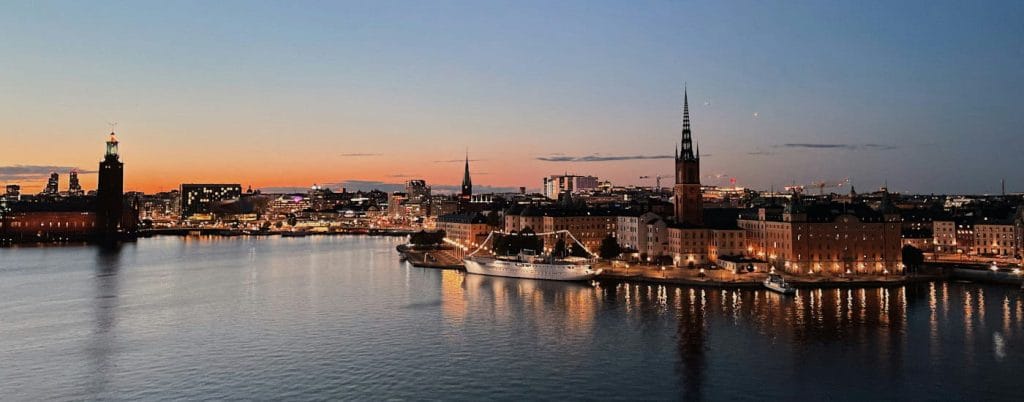
Why Sweden’s Transparent Business Environment Is Ideal for Master Franchises: A Guide for Franchise Investors
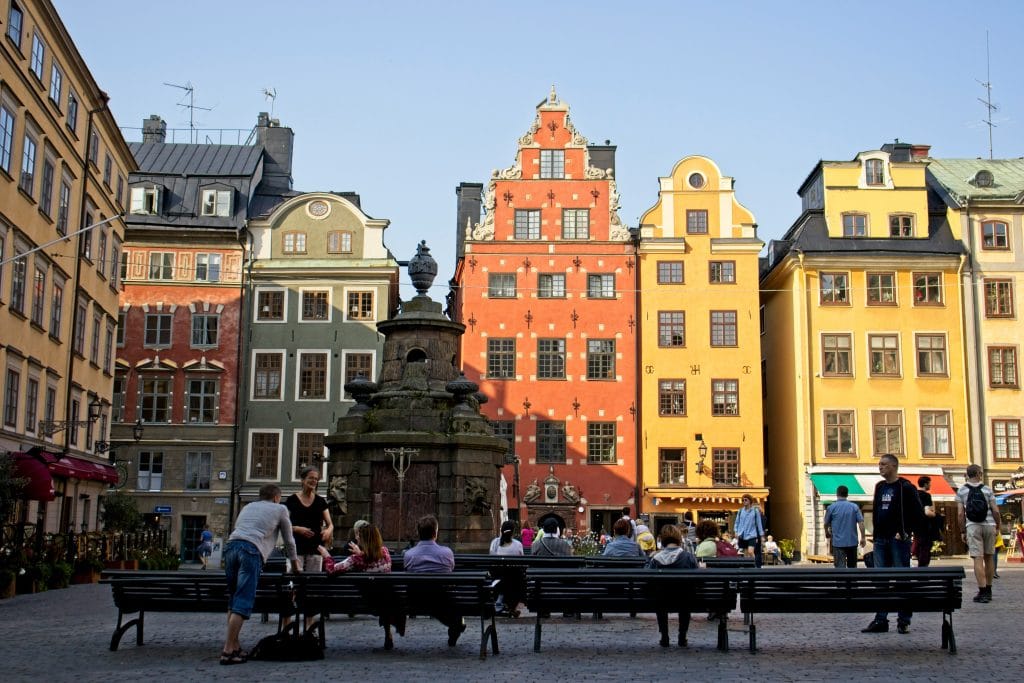
INTRO: Sweden holds one of the world’s most trusted anti-corruption records. It also runs a legal system that behaves predictably, on top of an economy that went digital early. For a master franchise investor, that combination pulls real risk off the table. Mail Boxes Etc. (MBE) operates more than 1,700 locations across 45+ countries. At…

Indonesia’s Printing and Marketing Business Potential
Despite living in an increasingly digital age, printing is a surprisingly effective tool that Indonesian businesses can incorporate into their marketing strategies. Here at MBE, we provide aspiring entrepreneurs with exceptional support on how to leverage this opportunity while meeting the needs of the Indonesian market. Building Strong Brand Visibility Through Print At first glance,…
Why Armenia Is a Great Place to Grow Your Business
Armenia’s business landscape has faced a significant turnaround in recent years. This article discusses how it bounced back after a period of turmoil and why Armenia might be a good fit for growing your business. Major Shifts in the Armenian Economy In 2022, Russia’s invasion of Ukraine created an economic boom in Armenia, driven by…
Why MBE’s Master Franchise Integrated Platform Wins in Sweden: Benefits, Market Advantages, and Expansion Opportunities
Key Takeaways What Makes Sweden an Ideal Market for Franchise Expansion? Sweden combines a high GDP per capita, a digitally advanced consumer base, and a stable regulatory environment with strong SME demand for professional logistics, printing, and shipping services. These are conditions that consistently favour proven franchise systems. Sweden is consistently regarded as one of…