


How franchisees can thrive in Thailand through MBE’s globally-renowned model.
Opening a franchise in Thailand can offer many advantages, supported by a diverse market that spans from low-cost retail models to high-investment international brands. This breadth of opportunity makes the franchising sector an attractive option at almost every level of investment. However, capturing long-term success inherently depends on understanding how Thai consumers think, purchase, and build trust with brands. Thailand’s market is strongly shaped by culture, and recognizing these nuances is essential. Below are the key insights every foreign franchise should know before entering the Thai market.
Emphasis on Personal Relationships
In Thailand, business is often built on trust and long-term relationships. As Thai customers highly value warmth, friendliness, and patience, a franchise that invests in genuine customer service will grow faster than one that relies on hard selling. Outward displays of aggression, anger, or negativity are strongly frowned upon in Thailand, as it goes against cultural norms. A notable phrase is “Jai Yen,” which translates to “cool heart” or “don’t lose your temper.” Even in potentially frustrating situations, it is expected that people remain calm and exhibit a polite demeanour. Hence, the ability to associate your company with polite greetings, helpful staff, and consistent follow-up will greatly enhance customer trust and drive long-term success in the Thai market.
Localization is Non-Negotiable
The immense success of international brands in the Thai market isn’t just due to their global reputation. It’s also because they adapt to local tastes, preferences, and cultural expectations—a token of respect for the Thai language and culture. Effective localization goes beyond simple translations, focusing on tailoring the entire customer experience to match Thai tastes, cultural norms, and service expectations that resonate with local consumers. Leveraging the right marketing platform also plays an important role in productive localization. Currently, Facebook, LINE, and TikTok dominate marketing in Thailand, so building a strong digital presence through these channels can help create stronger brand trust and influence purchasing.
The Power of Convenience
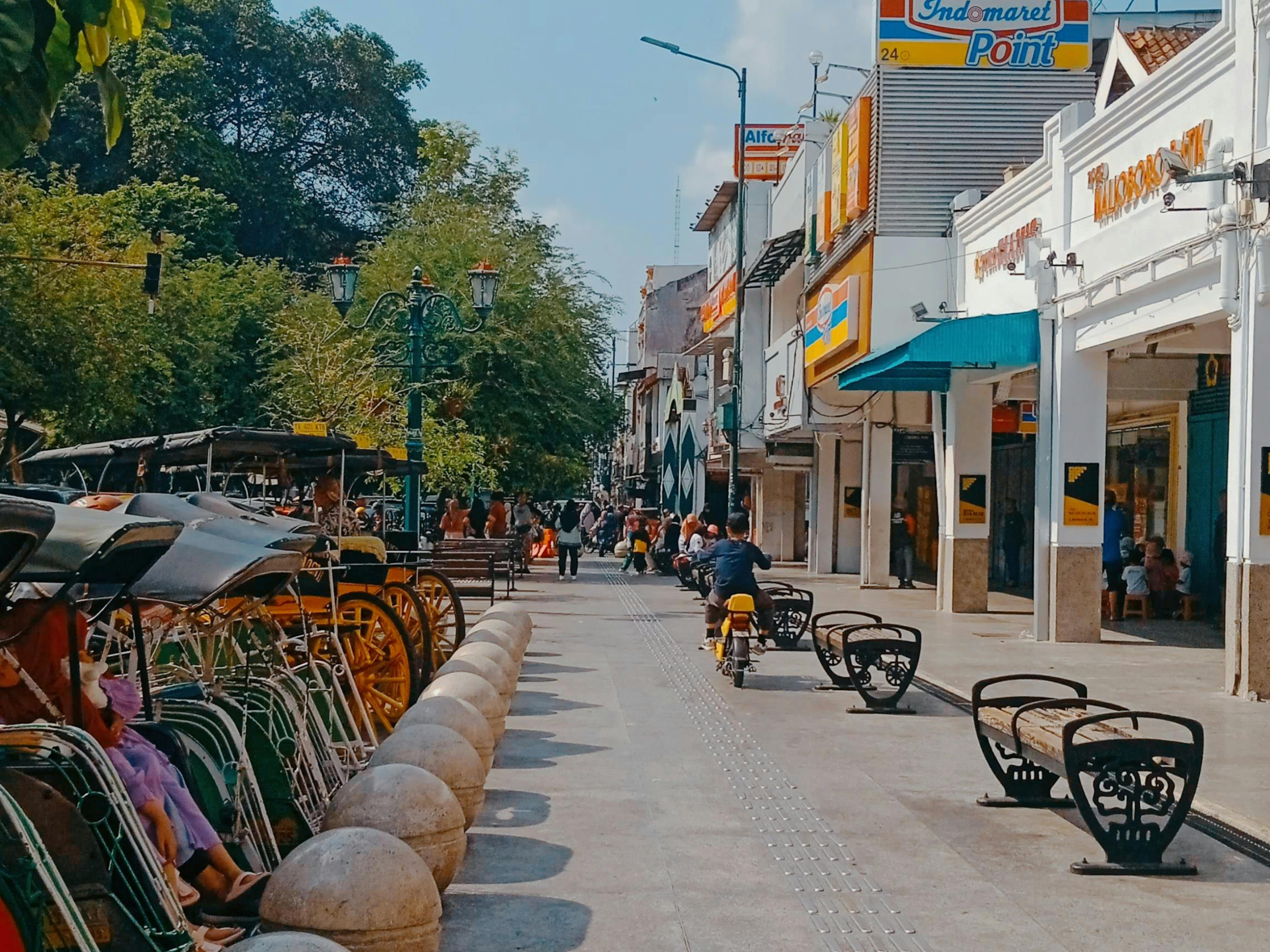
Thai consumer behavior is also heavily influenced by convenience, particularly in urban areas that are characterized by busier lifestyles. This trend has created an increased demand for time-saving solutions such as pre-packaged meals, online delivery services, and convenience stores, to name a few. In a survey conducted by HKTDC, over 80% of participants agreed that they seek convenience and ways of saving time in all aspects of their daily life. Consequently, franchises that prioritize ease of access and efficiency in Thailand are rewarded with great success.
Leveraging Proven Models for Success
Navigating a market as dynamic and competitive as Thailand can be challenging, but understanding the behaviors that drive its consumers can make all the difference. Success in this country hinges on a thorough awareness of the customers’ demands, ranging from local tastes and cultural expectations to convenience and service standards. By following a proven model, such as MBE’s internationally recognized approach, franchisees can adapt quickly, connect with Thai consumers, and build a strong, lasting presence in this growing market.
References
https://research.hktdc.com/en/article/NTk1NTU1MTU0
https://kadence.com/knowledge/understanding-thai-consumer-preferences-and-behaviours